When Music Meets Politics: A Tampa Concert Turns Controversial
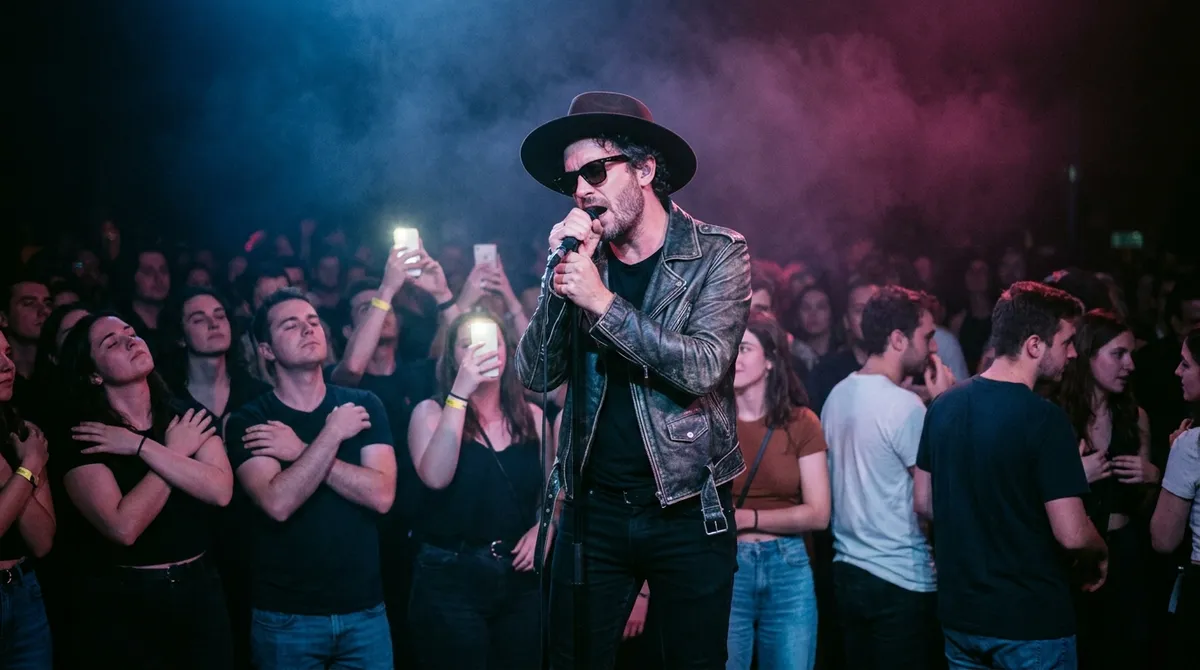
The Black Crowes' summer tour hit an unexpected snag when frontman Chris Robinson found himself at odds with his own audience during a Tampa performance. What started as a typical rock show at the Midflorida Credit Union Amphitheatre quickly escalated into a heated exchange that has since sparked widespread discussion about the intersection of entertainment and politics.
The Incident That Divided the Crowd
According to reports, the controversy began when a patriotic video graphic prompted the crowd to break into spontaneous "USA! USA!" chants. Rather than embracing the moment, the 59-year-old Robinson responded with what witnesses described as sarcastic remarks about American pride, immediately creating tension in the venue.
The audience reaction was swift and divided. Some fans expressed their displeasure through audible boos, while others chose to voice their disagreement by leaving the show early. The incident didn't end at the venue doors—social media quickly amplified the moment, turning a single concert clash into a broader cultural flashpoint.
A Pattern of Outspokenness
This isn't Robinson's first rodeo when it comes to controversial moments during live performances. The singer has a documented history of outspokenness dating back to 1991 during a ZZ Top tour, suggesting that his willingness to express his views on stage isn't a recent development. For longtime followers of The Black Crowes, Robinson's tendency toward political commentary may not come as a complete surprise.
The Generational Divide in Rock Fandom
The Tampa incident highlights a fascinating cultural tension within The Black Crowes' fanbase. According to reports, there's a noticeable generational split in how audiences receive political commentary from their musical heroes. Longtime fans, many of whom have been following the band for over 40 years, reportedly feel alienated when politics enter the concert experience. Meanwhile, younger audiences have come to expect—and often appreciate—when artists use their platform for political expression.
This divide raises compelling questions about what fans can reasonably expect when they purchase a concert ticket. Is it realistic to anticipate purely apolitical entertainment in today's cultural climate, or should audiences prepare for the possibility that their favorite artists might express views that challenge their own beliefs?
Social Media Amplification
The power of social media to transform isolated incidents into viral controversies was on full display following the Tampa show. What might have once remained a local talking point among concertgoers has instead become fodder for boycott calls and heated online debates. The speed at which a single moment can fracture a decades-long fanbase demonstrates how dramatically the landscape has changed for touring artists.
The Broader Cultural Context
The clash between Robinson and his Tampa audience reflects larger tensions within American culture, where discussions of patriotism and national pride have become increasingly polarized. Artist-audience conflicts over politics continue to serve as flashpoints, forcing both performers and fans to navigate an entertainment landscape where personal expression and audience expectations don't always align.
For touring musicians, incidents like this raise practical questions about artistic freedom versus fan satisfaction. When does speaking your mind cross the line at a paid concert? Should artists self-censor to avoid alienating portions of their audience, or do they have a responsibility to express their authentic selves, regardless of potential backlash?
What This Means for Live Entertainment
The Tampa incident during The Black Crowes' Southern Hospitality Tour serves as a case study in how quickly live entertainment can become a battlefield for broader cultural debates. As artists continue to tour in an increasingly polarized environment, both performers and audiences may need to recalibrate their expectations for what constitutes appropriate concert behavior.
Whether this controversy will have lasting effects on The Black Crowes' fanbase remains to be seen, but it certainly adds another chapter to the ongoing conversation about the role of politics in entertainment and the delicate balance between artistic expression and audience satisfaction.