
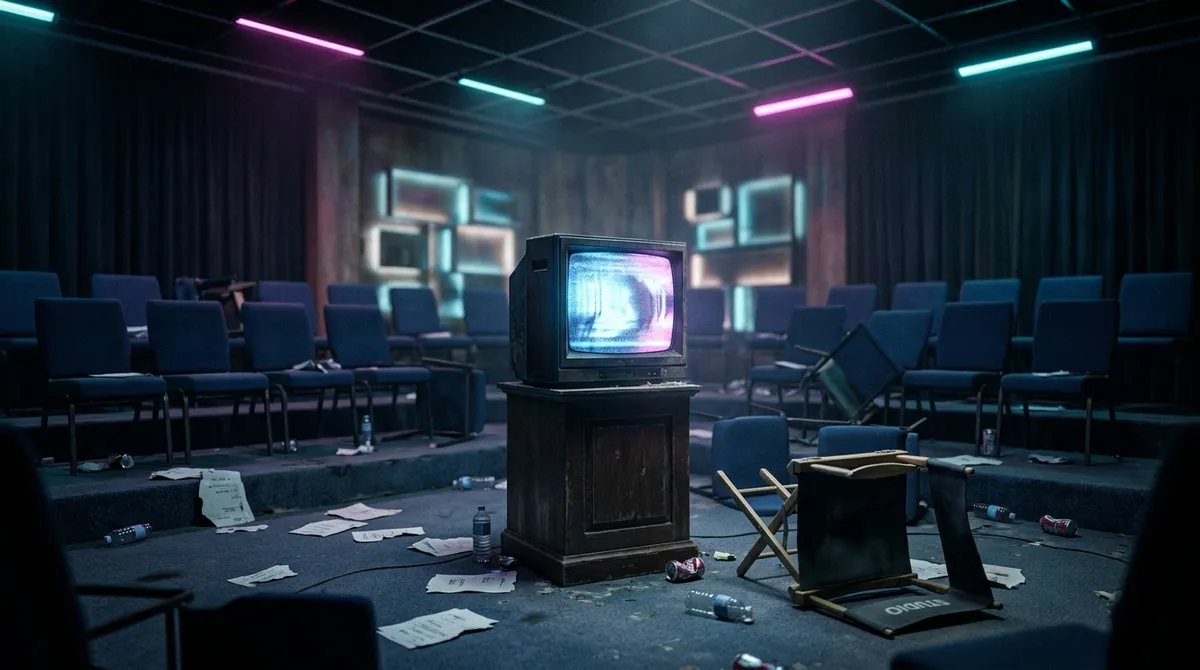
The Art of Unapologetic Television
In an era where creators and networks increasingly find themselves walking a tightrope between edgy content and audience backlash, according to reports, certain television shows have built their entire identity around refusing to apologize for their controversial approach. A recent examination of boundary-pushing television identifies 11 shows that have succeeded by embracing offensive content, dark humor, and taboo subjects as core elements of their storytelling.
Comedy Legends That Broke the Mold
The list spans decades of television history, beginning with groundbreaking shows like All in the Family and Married… With Children, which established early templates for controversial sitcoms. These programs paved the way for animated provocateurs like The Simpsons and South Park, shows that continue to push boundaries through satirical commentary on contemporary issues.
It's Always Sunny in Philadelphia leads the contemporary pack, according to reports, using its characters' moral bankruptcy as a vehicle for exploring society's uncomfortable truths. Similarly, The Righteous Gemstones employs religious hypocrisy as fertile ground for both humor and social commentary.
The Shock Value Spectrum
The analysis reveals a crucial distinction between shows that use offensive content strategically versus those that rely on pure shock value. According to reports, older programs like All in the Family specifically used bigotry to mock bigots themselves, creating a clear satirical purpose behind controversial material.
This approach contrasts with some modern offerings that prioritize shocking audiences without deeper commentary. The difference becomes apparent when examining shows like Chappelle's Show, which used provocative humor to subvert racial stereotypes, versus programs that may reinforce harmful tropes while claiming comedic protection.
Beyond Comedy: Drama's Dark Territory
The boundary-pushing landscape extends beyond comedy into dramatic territory. 24 earned its place through controversial depictions of terrorism and torture, while Euphoria tackles teen substance abuse and sexuality with unflinching intensity. The Boys uses superhero satire to explore corporate corruption and American militarism, proving that offensive content can serve narrative purposes across genres.
The Business of Being Bold
The examination raises important questions about the commercial viability of controversial programming. According to reports, there's ongoing debate about whether boundary-pushing shows actually attract larger audiences and secure longer runs, or if their notoriety simply creates the illusion of broader success.
Some programs on the list, like Family Guy, have demonstrated remarkable longevity despite—or perhaps because of—their willingness to offend various demographic groups. Others have faced cancellation pressures or creator departures that suggest limits to audience tolerance.
Cultural Impact vs. Notoriety
The analysis highlights the need to distinguish between shows that generate genuine cultural impact versus those that simply court controversy. According to reports, programs like South Park have consistently used their platform to comment on political and social issues, earning both criticism and praise for their willingness to satirize any target.
Conversely, some shows may achieve notoriety without leaving lasting cultural footprints, raising questions about the value of offense for its own sake versus meaningful provocative content.
The Evolution of Acceptable Boundaries
As cultural attitudes shift, the examination reveals how some shows have aged better than others. According to reports, certain programs that seemed cutting-edge in their time now feel dated or potentially harmful when viewed through contemporary lenses.
This evolution reflects ongoing cultural debates about comedy, representation, and the actual location of the line between legitimate satire and genuine harm. The challenge for creators becomes maintaining relevance while navigating changing social expectations.
The Future of Fearless Television
As streaming platforms reshape the television landscape, these 11 shows represent different approaches to controversial content that continue influencing new programming. Their success—measured in both audience engagement and cultural conversation—demonstrates that appetite remains for television that refuses to apologize for pushing boundaries.
The key distinction, according to the analysis, lies in creator intent: whether shows use offensive material to challenge audiences' preconceptions or simply to generate buzz through controversy alone.