
When Threatening Notes Turn Deadly
A chilling true-crime case from the English countryside demonstrates how seemingly minor threats can spiral into shocking violence, according to reports about dairy farmer Graham Backhouse and his family's terrifying ordeal.
The case centers on Backhouse, who inherited a farm he never wanted and struggled financially to keep the operation running. What began as mysterious threatening notes would eventually escalate into a campaign of terror that left his wife Margaret severely injured and authorities questioning their response.
The Escalating Pattern of Terror
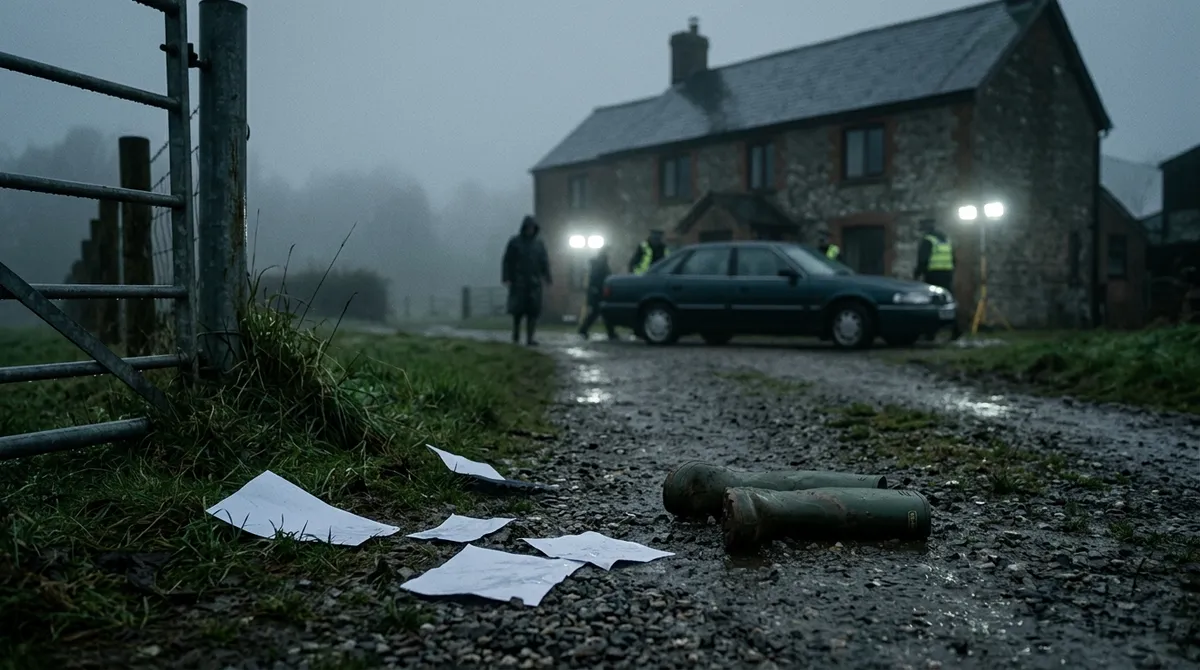
According to the case details, the harassment began with threatening notes arriving at the Backhouse farm. While the exact content of these early messages isn't detailed, they marked the beginning of what would become an increasingly dangerous situation for the family.
The psychological warfare took a disturbing turn when the perpetrator left a severed lamb's head accompanied by the ominous message "You next." This macabre warning represented a clear escalation from written threats to visceral intimidation tactics that suggested the stalker was prepared to act on their menacing promises.
The Bombing That Changed Everything
The terror campaign reached its violent climax when a bomb was planted in Graham's car. The explosion severely injured his wife Margaret, transforming what had been a psychological harassment case into an attempted murder investigation.
This devastating attack highlighted the real-world consequences of ignoring escalating threats and raised serious questions about protective measures for rural families facing unknown assailants.
Police Response Under Scrutiny
According to reports, police had been alerted to the threatening situation before the bombing occurred, but appeared slow to take action. This delayed response has become a focal point for discussions about how law enforcement handles escalating threat cases, particularly in rural areas where resources may be stretched thin.
The apparent inaction raises important questions about threat assessment protocols and the challenges of protecting families when warning signs are present but concrete evidence is limited.
Why Rural Crime Cases Captivate Audiences
The Backhouse case taps into current fascination with true-crime stories set in quiet, rural communities where ordinary lives hide sinister motives. These "quiet town" cases resonate with audiences because they challenge assumptions about safety in countryside settings traditionally viewed as peaceful retreats from urban dangers.
The psychological elements of stalking and escalating threats also align with contemporary interest in cases involving mental manipulation and terror campaigns that build slowly over time.
Lessons from a Real-Life Thriller
True-crime enthusiasts have noted how the Backhouse case reads like a fictional detective plot, with its progression from mysterious messages to physical evidence to explosive violence. The story serves as a stark reminder that real-life rural crimes can feel especially unsettling precisely because they occur in settings where such violence seems incongruous.
The case offers valuable insights into recognizing warning signs and understanding how small threats can escalate when ignored or inadequately addressed by authorities.
The Broader Impact
For content creators and true-crime analysts, the Backhouse story represents an opportunity to examine how psychological stalking campaigns develop and why early intervention is crucial. The case also provides a framework for comparing real-life rural crimes to their fictional counterparts, highlighting why authentic cases often prove more disturbing than invented scenarios.
The story continues to resonate with audiences interested in understanding the psychology behind escalating threats and the real-world consequences when warning signs go unheeded. As true-crime content continues to captivate viewers, cases like the Backhouse family's ordeal serve as sobering reminders of how quickly harassment can turn deadly.