
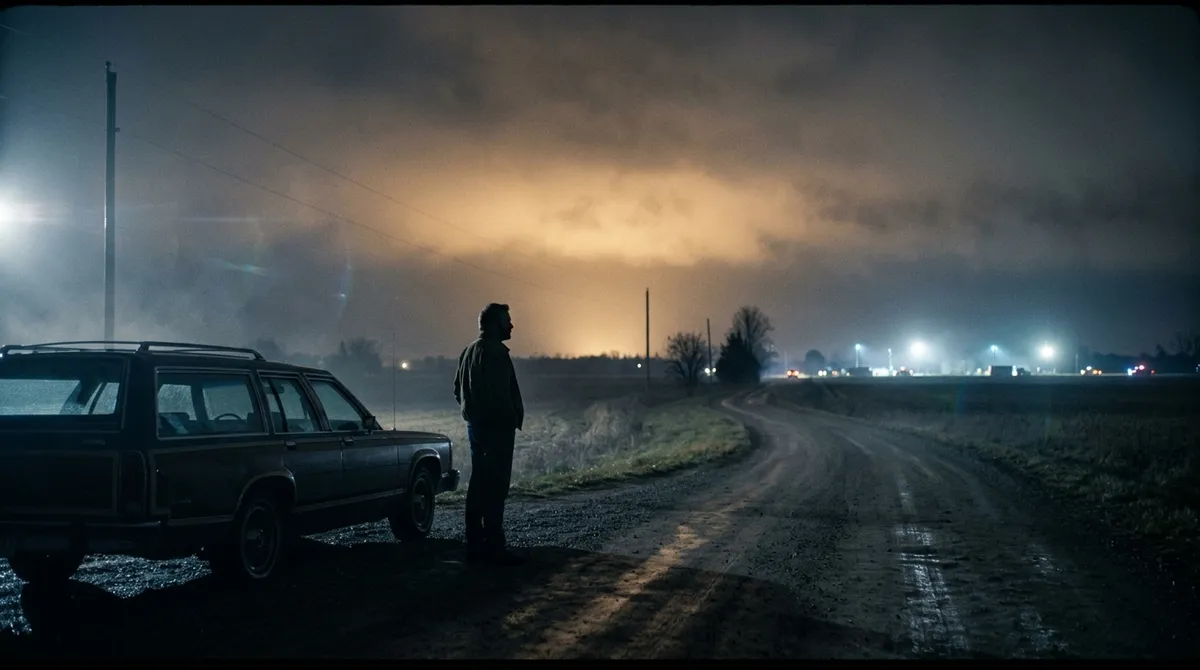
A 1977 Vision That Feels Like Today's Headlines
Steven Spielberg's Close Encounters of the Third Kind hit theaters in 1977 with a bold premise: ordinary people discovering UFO truth while government institutions worked to deny and cover up extraterrestrial contact. Nearly five decades later, according to reports, the film's exploration of government secrecy and UFO phenomena feels strikingly prescient as 2026 brings real-world congressional hearings and declassified reports about unidentified aerial phenomena.
The timing couldn't be more relevant. Recent years have witnessed renewed public interest in UFO phenomena and government disclosure debates, making Spielberg's decades-old conspiracy thriller feel less like science fiction and more like a cultural prophecy.
From Fiction to Congressional Hearings
What makes Close Encounters particularly fascinating in today's context is how accurately it anticipated modern UFO disclosure culture and government transparency debates. The film's central tension—between institutional denial and individual discovery of truth—has become a template still used in conspiracy narratives today.
According to reports, the movie's portrayal of government cover-ups now parallels real conversations happening in 2026 about transparency and the unknown. Where Spielberg once imagined secret government knowledge of alien contact, actual declassified UFO reports and congressional hearings have brought similar discussions into mainstream discourse.
The Psychology Behind the Phenomenon
The film tapped into something deeper than just alien encounters—it explored the psychology of belief and why audiences are drawn to stories of hidden alien truth. This psychological framework helps explain why both the 1977 original and contemporary UFO disclosure movements resonate so powerfully with the public.
Spielberg's influence extends beyond entertainment into how we collectively visualize and mythologize first contact with extraterrestrial life. The movie's iconic imagery and emotional approach to alien encounter has shaped cultural expectations about how such events might unfold.
Then and Now: Comparing Cultural Anxieties
The film's 1977 anxieties about government secrecy now find direct parallels in 2026's actual political and cultural landscape. Where the movie imagined institutional cover-ups of alien contact, real-world developments have brought questions of government transparency about unexplained phenomena into public forums.
According to reports, creators today can draw meaningful parallels between the film's portrayal of government cover-ups and modern UFO disclosure movements. The template Spielberg established—ordinary people uncovering truth that institutions want to hide—remains a powerful narrative framework for understanding contemporary conspiracy culture.
Cultural Impact Beyond Entertainment
What sets Close Encounters apart is how it anticipated the cultural conversations we're having today about extraterrestrial contact and institutional transparency. The film didn't just entertain; it provided a framework for thinking about government secrecy, individual agency, and the possibility of contact with non-human intelligence.
The movie's enduring relevance lies in its exploration of themes that transcend its 1970s origins. Government secrecy, the search for truth, and the possibility of life beyond Earth remain as compelling in 2026 as they were in 1977, but with the added weight of real-world developments that make the fiction feel increasingly prophetic.
A Template for Modern Conspiracy Culture
According to reports, the film established a narrative template about ordinary people discovering truth versus institutional denial—a framework that continues to influence how conspiracy theories develop and spread in contemporary culture. This template has proven remarkably durable, appearing in discussions about everything from government transparency to scientific disclosure.
As 2026 brings actual congressional hearings and declassified reports about unidentified phenomena, Spielberg's 1977 vision feels less like imaginative fiction and more like a remarkably prescient exploration of themes that would define decades of cultural conversation about truth, secrecy, and the unknown.


