
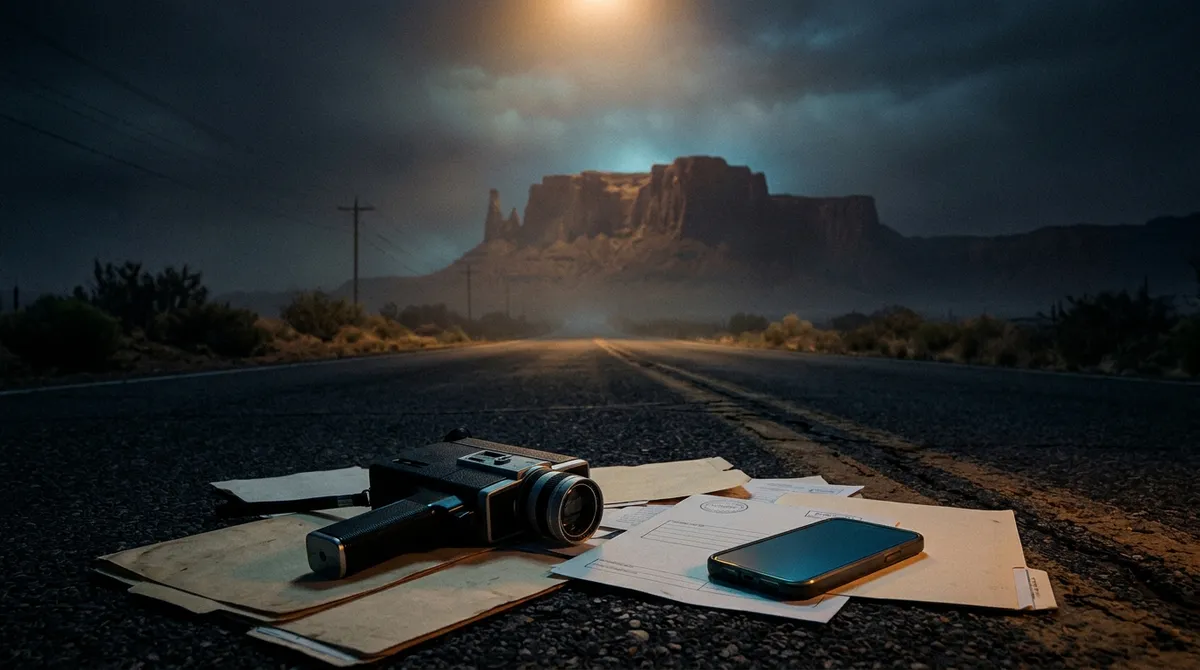
TL;DR: Steven Spielberg’s 1977 film Close Encounters of the Third Kind remains incredibly relevant today as discussions around UFOs and government transparency continue to heat up. Let’s dive into how this sci-fi classic reflects our ongoing curiosity about extraterrestrial life and the secrets that may be hidden from us.
The Legacy of Close Encounters of the Third Kind
In a world obsessed with the unknown, it’s fascinating to look back at how Steven Spielberg’s Close Encounters of the Third Kind both shaped and reflected cultural anxieties around UFOs and government cover-ups. Released in 1977, this film forged new paths in science fiction cinema, intertwining the mundane with the cosmic. But why does a film over four decades old speak volumes in our current landscape of renewed interest in UFOs and government transparency?
The Timeliness of UFOs and Cover-Ups
In recent years, narratives surrounding UFO sightings and government disclosures have surged into public consciousness. High-profile reports and congressional hearings have made headlines, making the themes in Close Encounters feel more relevant than ever. The film captured a sense of wonder and curiosity, highlighting ordinary individuals grappling with extraordinary possibilities. Do we see echoes of this in today’s discussions?
Spielberg's Crystal Ball: Anticipating Modern Discourse
Close Encounters expertly twisted the typical narrative of alien contact into a tale of personal discovery and institutional denial. The protagonist, Roy Neary, is a normal guy who stumbles upon the truth about extraterrestrials against a backdrop of government secrecy. This portrayal resonates deeply with current sentiments, where many people feel a disconnect between what government entities reveal and what they withhold.
Exploring the Psychology of Belief
Part of what makes Close Encounters so captivating is its examination of belief—both personal and collective. As audiences in the late '70s grappled with the idea of UFOs, they were tapping into a deep-seated desire to understand what lies beyond our earthly reality. Today, this psychological draw remains powerful, propelling discussions around conspiracy theories, alien life, and the hidden truths behind government actions.
From Fiction to Reality: The Modern UFO Discourse
Recent discussions surrounding UFOs have led to moments of significant public intrigue—like the Pentagon’s release of classified documents. Just as Spielberg’s film raised questions about the nature of contact and governmental secrecy, contemporary dialogues reflect a similar mistrust and desire for transparency.
Government Secrecy: Then and Now
Looking back at the anxiety surrounding government information in the 1970s, one can’t help but notice parallels with today. The fear of cover-ups in Close Encounters mirrors current discussions around why governments keep information on UFO sightings under wraps. With emerging technologies and platforms for public discourse, the conversation about transparency in our institutions is far from over.
Influencing the Way We Visualize First Contact
Spielberg’s influence on the sci-fi genre is hard to overstate, especially in how we conceptualize contact with extraterrestrial life. Close Encounters introduced audiences to the possibility of companionship rather than hostility. This optimistic portrayal contrasts with many modern depictions of aliens and reflects an aspiration for understanding rather than suspicion.
A Template for Modern Conspiracy Narratives
At its core, Close Encounters offers a narrative template that many conspiracy theories still use today. The film deftly illustrates that the desire to uncover the truth often puts individuals at odds with the institutions that are supposed to protect them. As modern UFO enthusiasts continue to question and challenge the status quo, they mirror Roy Neary's quest for knowledge and acknowledgment.
Conclusion: A Wondrous Legacy
As we navigate through the tumultuous waters of modern conspiracy theories and UFO phenomena, Close Encounters of the Third Kind endures as both a cultural artifact and a prophetic work of art. Its themes of curiosity, secrecy, and the search for truth are just as relevant in 2026 as they were in 1977. Spielberg’s flick not only entertained us—it started conversations that resonate across generations. And as we peer into the skies, who knows what wonders—or truths—might be waiting for us next?