
A Major Reinvention for the Vampire Chronicles
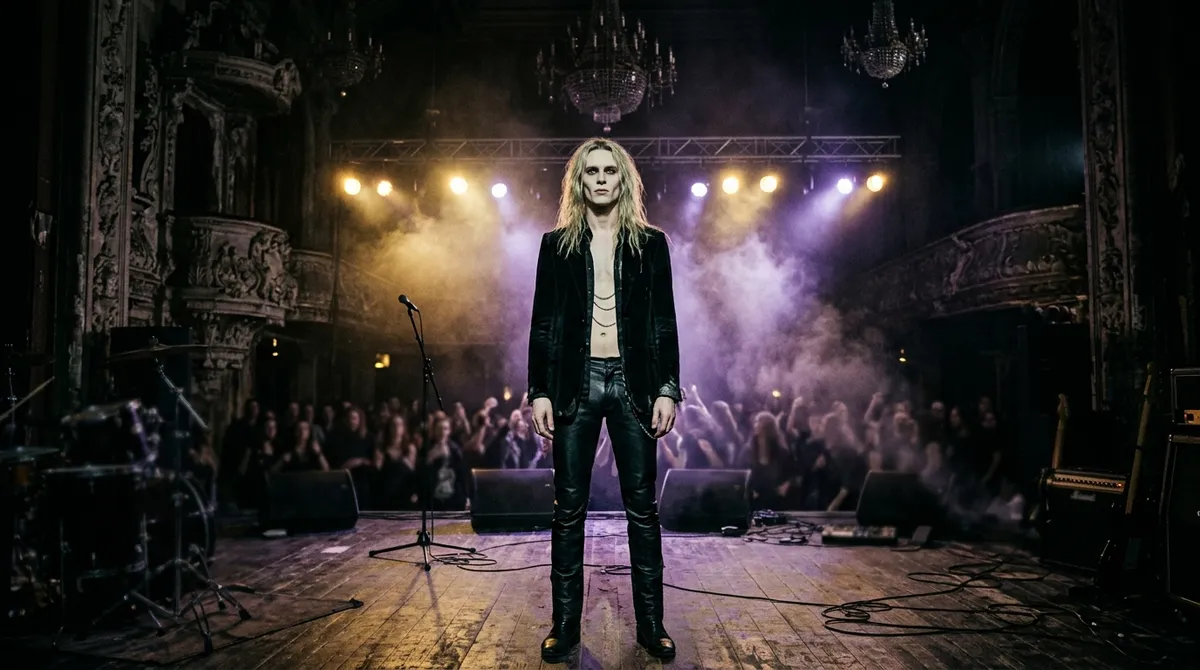
AMC's Interview with the Vampire is preparing for its most ambitious transformation yet with season 3, officially titled The Vampire Lestat. According to reports, the upcoming season represents a dramatic shift from the series' previous focus on memory, trauma, and confession to what's being described as a theatrical, music-led character spectacle centered on ego, performance, and rock-star mythmaking.
The series is positioning this new season as a major reinvention that turns Anne Rice's vampire mythology into what sources describe as a vampire rock opera. This bold pivot promises to explore Lestat's perspective through a lens of musical storytelling that will fundamentally change how audiences experience the show.
Music Takes Center Stage in Storytelling
At the heart of this transformation is composer and co-writer Daniel Hart, who has taken on an expanded creative role that extends far beyond traditional scoring. According to reports, Hart's involvement has grown from composer to a key voice in the writers' room, with music becoming both a plot device and a window into character psychology.
The rock-music-driven approach isn't just aesthetic—it's structural. Sources indicate that Lestat's music serves as the vehicle for his unreliable version of events, allowing the character to tell his story through the grandiose, theatrical lens that defines his personality. This musical framework is reportedly shaping not just the writing and performances, but also influencing costume design and overall production choices.
Sam Reid's Rock Star Transformation
Star Sam Reid is undergoing what's being described as a complete transformation into "Lestat the rock star." This evolution represents a significant departure from the character's previous presentations, emphasizing the performative and egotistical aspects that make Lestat such a compelling unreliable narrator.
The shift to Lestat's perspective allows the series to explore themes of performance and mythmaking in ways that weren't possible when the story was filtered through other characters' memories and confessions. According to reports, this change creates opportunities for a more theatrical and visually spectacular approach to vampire storytelling.
Visual Spectacle and Production Design
The visual world of season 3 is expanding significantly, with reports indicating settings that range from French chateaus to rock clubs. This diverse backdrop supports the series' new direction, providing environments that can accommodate both the intimate character moments the show is known for and the larger-than-life rock opera elements being introduced.
The production design is reportedly being influenced by the musical direction, creating a cohesive aesthetic that supports the rock-driven narrative approach. This integration of visual and musical elements appears to be central to the season's identity as a theatrical spectacle.
Building Anticipation Through Strategic Releases
The series has been building momentum through carefully orchestrated reveals, including teaser drops, casting announcements, and song releases. This strategy is reportedly generating significant fandom excitement and positioning the season as a must-watch event for both existing fans and potential new viewers.
The early material being released suggests a confidence in the new direction, with creators apparently eager to showcase how dramatically different this season will feel from its predecessors while maintaining the core elements that made the series successful.
A Bold Creative Gamble
By transforming Interview with the Vampire into The Vampire Lestat, AMC is taking what industry observers see as a significant creative risk. The shift from the introspective, confession-based storytelling of previous seasons to a rock-opera format represents one of the boldest pivots in recent television.
According to reports, this transformation goes beyond simple rebranding—it's a fundamental reimagining of how vampire stories can be told on screen. The integration of music as both narrative device and character exploration tool suggests a sophisticated approach to the source material that honors Anne Rice's vision while pushing the medium in new directions.
As anticipation builds for the season's arrival, The Vampire Lestat appears positioned to either revolutionize vampire television or serve as a fascinating experiment in genre-blending storytelling. Either way, it promises to be unlike anything viewers have seen in the vampire genre before.


