The Fast-Paced World of Procedural Casting
While prestige television continues to dominate awards conversations, a recent ATX TV Fest panel revealed why procedural television remains one of Hollywood's most important—yet underappreciated—talent pipelines. Casting directors from hit shows like 9-1-1, Tracker, Fire Country, Chicago Med, and S.W.A.T. gathered to discuss the unique challenges and opportunities of their fast-moving craft.
The panel featured CSA members Eric Souliere, Veronica Collins Rooney, and Rebecca Mangieri, who shared insights into how they manage the relentless pace required to keep these high-volume shows running.
Why Procedurals Matter More Than Ever
As prestige TV seasons continue to shrink, procedurals stand out as one of the few formats still producing 18-to-22-episode runs filled with constant guest roles. According to reports from the panel, this format creates increasingly important career pipelines for actors, casting teams, and creators trying to understand how TV talent is discovered today.
The casting directors emphasized that the demanding nature of procedural television, while challenging, opens doors for emerging actors in ways that other formats simply cannot match. With each episode requiring fresh faces for case-of-the-week storylines, these shows function as what could be called "Hollywood's hidden talent engine."
The Four-Day Casting Marathon
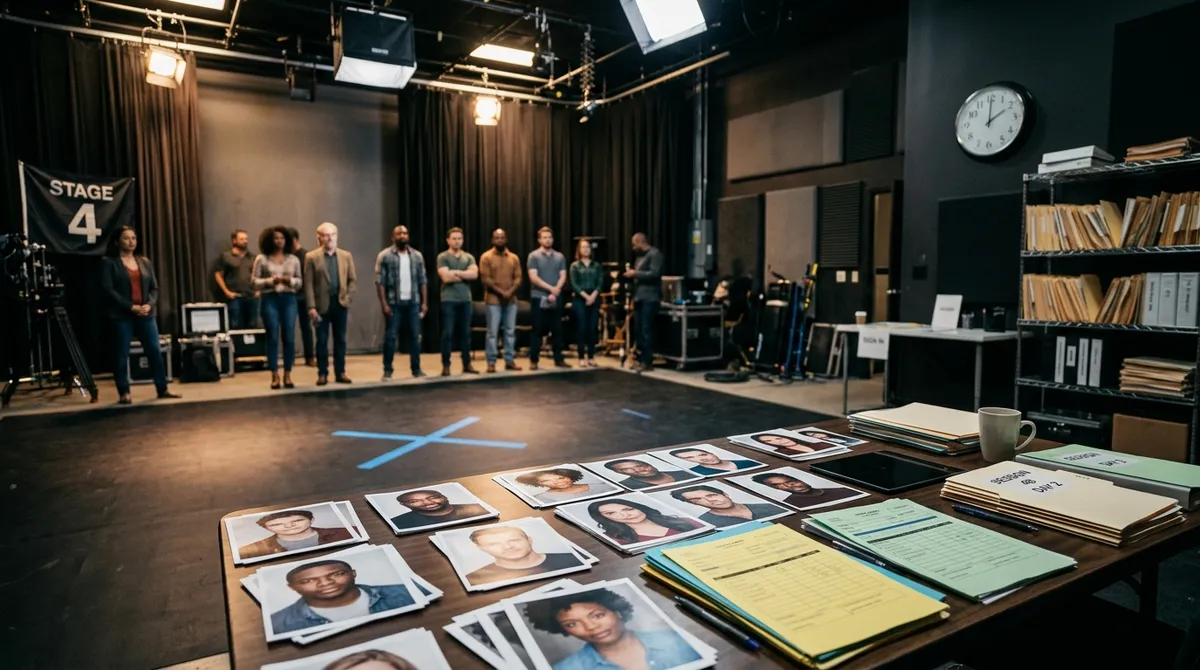
One of the most striking revelations from the panel was the breakneck speed at which procedural casting operates. According to reports, casting directors must cast an entire episode in just four days—a timeline that would be unthinkable for most other television formats.
This compressed schedule requires casting teams to make quick decisions while maintaining the quality and authenticity that audiences expect. The process involves constantly searching for fresh faces who can bring believability to guest roles, from victims and witnesses to medical patients and law enforcement personnel.
Regional Authenticity and Logistics
The casting directors also discussed the challenges of making regional authenticity feel real while managing the hidden logistics of avoiding repeat actors across different TV universes. Many procedural shows exist within the same production companies or networks, requiring careful coordination to ensure actors don't appear too frequently across similar shows.
This logistical puzzle becomes even more complex when shows are set in specific locations but filmed elsewhere, requiring casting directors to find actors who can convincingly portray regional characteristics and dialects.
Career Launchpad for Emerging Talent
For actors looking for practical insight into where early career breakthroughs still happen, procedurals offer a clear answer. The panel highlighted how these shows continue to serve as launching pads for performers who might struggle to find opportunities in limited-series or streaming productions with smaller casts.
The case-of-the-week format inherently requires a rotating cast of supporting players, creating multiple entry points for actors at various career stages. This structure has historically provided early breaks for many performers who later became household names.
The Changing Television Landscape
As the television industry continues to evolve, with streaming platforms favoring shorter seasons and established stars, procedurals maintain their role as a consistent source of work for the acting community. The format's sustainability depends on this constant influx of new talent, creating a symbiotic relationship between emerging actors and established shows.
The ATX TV Fest panel underscored how casting directors for procedural television serve as crucial gatekeepers in this ecosystem, balancing speed with quality while giving countless actors their first significant television credits.
Looking Forward
The insights shared by these casting professionals reveal an industry segment that remains vital to television's future, even as viewing habits and production models shift. For aspiring actors and industry professionals, understanding how procedural casting works provides valuable knowledge about one of television's most enduring and opportunity-rich formats.
As the entertainment landscape continues to fragment across platforms and formats, procedural television's commitment to high-volume, guest-heavy storytelling ensures its continued importance in developing and showcasing new talent.