A Midseason Genre Shift That Changes Everything
According to reports, "Widow's Bay" has pulled off something remarkable in its sixth and seventh episodes — completely reinventing itself from comedic mystery to colonial horror while deepening its supernatural mythology. Creator Katie Dippold and guest star Hamish Linklater recently discussed how this ambitious flashback sequence transforms the entire meaning of the mysterious island.
The Colonial Origin Story Revealed
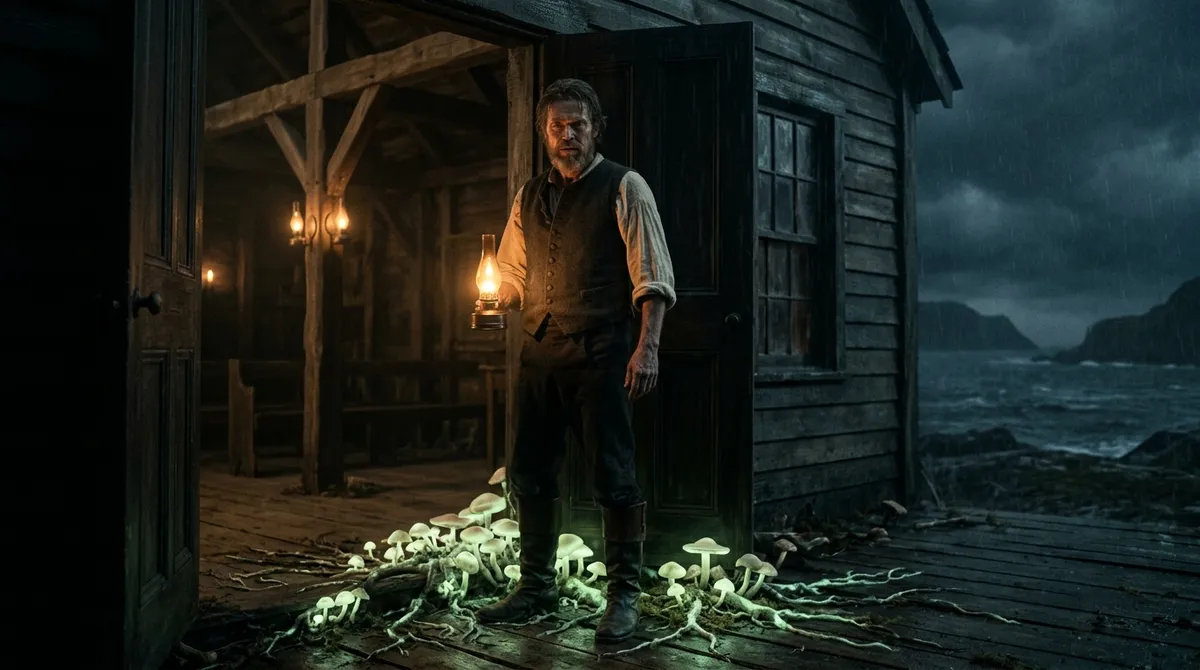
Episode 6 reportedly functions as a mini colonial horror film, revealing the island's dark origins through a centuries-spanning narrative. According to the creators, the flashback uncovers Richard Warren's extraordinary 300-year survival and the supernatural mushroom covenant that lies behind the town's curse.
This approach represents a growing trend in prestige television, where midseason lore episodes serve as major storytelling tools. Reports suggest that "Widow's Bay" uses this technique to completely recontextualize everything viewers thought they knew about the island and its inhabitants.
Richard Warren and the Horror Patriarch Archetype
Hamish Linklater's portrayal of Richard Warren has drawn inevitable comparisons to his previous work in "Midnight Mass," creating what reports describe as a compelling crossover conversation point for horror fans. The character reportedly embodies the charismatic, doomed horror patriarch archetype that has become increasingly prominent in contemporary genre television.
According to reports, Linklater's two-episode arc serves as a pivotal element in the series' mythology, with his performance helping to balance the show's signature horror-comedy tone alongside Betty Gilpin's lead performance.
The Mushroom Covenant Explained
One of the most intriguing elements revealed in these episodes is reportedly the supernatural mushroom covenant that underpins the island's curse. This mystical element appears to be central to understanding how the town's supernatural elements function and why the island has remained cursed for centuries.
Reports suggest that this revelation helps clarify many of the series' more mysterious elements for viewers who may have been confused by the show's complex mythology up to this point.
Atmospheric Direction and Genre Balance
Ti West's direction of these episodes has reportedly been crucial in achieving the atmospheric tone needed for this genre shift. According to reports, West successfully manages to maintain the series' horror-comedy balance while diving deep into folk-horror territory.
This careful tonal management appears to be essential to the episodes' success, as the show needed to honor both its comedic roots and its new colonial horror direction without losing audience investment in either approach.
A Case Study in Television Reinvention
What makes "Widow's Bay's" approach particularly noteworthy is how it uses the flashback format to essentially reinvent the series without abandoning its core identity. Reports suggest that this represents a masterclass in how genre television can evolve and deepen its mythology while maintaining viewer engagement.
The episodes reportedly demonstrate how a well-executed origin story can retroactively enhance everything that came before, giving new weight and meaning to seemingly simple comedy beats and character interactions from earlier episodes.
Impact on the Series Moving Forward
According to reports, these revelations about the island's colonial past and supernatural foundations change the entire context for the remaining episodes of the season. The mushroom covenant and Richard Warren's centuries-long presence on the island provide a new framework for understanding both the supernatural threats and the town's peculiar dynamics.
This midseason transformation positions "Widow's Bay" as a series willing to take significant creative risks, using its episode structure to surprise audiences and deepen its world-building in unexpected ways. For horror-comedy fans and prestige television enthusiasts, these episodes appear to represent a successful example of how genre television can evolve while maintaining its essential character.